
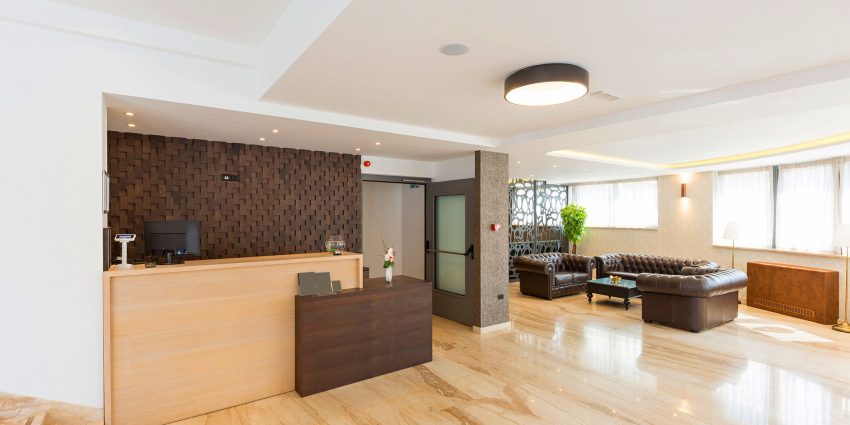
There’s a version of cleanliness that looks fine and a version that actually is fine. They aren’t the same thing. Facility managers know the difference. Most clients don’t, and that gap creates problems that are entirely preventable.
Here’s what the people who care for buildings every day wish more clients understood.
Clean and Sanitized Are Not Synonyms
A surface can look spotless and still carry bacteria. Wiping something down removes visible debris. Sanitizing reduces microbial presence to safe levels. These require different products, different dwell times, and different techniques.
In high-traffic environments, restrooms, kitchens, elevator buttons, and door handles, the difference matters considerably. A cleaning schedule that conflates the two is leaving more behind than it realizes.
High-Touch Surfaces Need More Attention Than They Get
Most cleaning protocols are built around visible areas: floors, counters, and glass. The places that accumulate grime in obvious ways. But the surfaces touched dozens of times a day by dozens of different people rarely get the attention they deserve.
The overlooked ones include:
- Light switches and panel buttons
- Cabinet and drawer handles in shared spaces
- Copier and printer touchscreens
- Faucet handles and soap dispensers
- Shared phones and conference room remotes
A thorough cleaning program targets these specifically, not as an afterthought but as a core part of the rotation.
Frequency Matters as Much as Method
One deep clean per week sounds substantial. In a busy facility, it isn’t. Foot traffic, food, and weather tracked in from outside, and daily use accumulate faster than most people expect.
The right frequency depends on the facility type, occupancy levels, and how the space is used. A medical office needs different attention than a corporate lobby. A warehouse has different demands than a retail showroom. One-size schedules tend to leave some areas perpetually behind.
Odor Is a Signal, Not Just an Annoyance
When a space smells off, the instinct is often to reach for something that masks it. That approach treats the symptom and ignores the cause. Persistent odors in commercial buildings usually point to something specific: drain buildup, HVAC contamination, moisture in flooring or walls, or inadequate restroom cleaning cycles.
Finding and addressing the source takes more effort than spraying something pleasant over the top of it. But it’s the only solution that actually works over time.
Maintenance and Cleaning Are Not Interchangeable
This is probably the most common source of friction between facility managers and the clients they serve. Cleaning removes dirt. Maintenance prevents deterioration. Both matter, and neither fully substitutes for the other.
A floor that gets cleaned regularly but never sealed or refinished will degrade faster. A lobby that’s vacuumed daily but has aging grout, scuffed baseboards, and dated fixtures still reads as neglected to anyone walking through the door.
Cleanliness and upkeep work together. When one lags, it diminishes the other.
The Last Word?
A well-maintained facility doesn’t happen by accident. It happens because someone is paying attention to the right things in the right order at the right frequency. That work is largely invisible when it’s done well, and very visible when it isn’t. That’s exactly why it deserves more thought than it usually gets.