
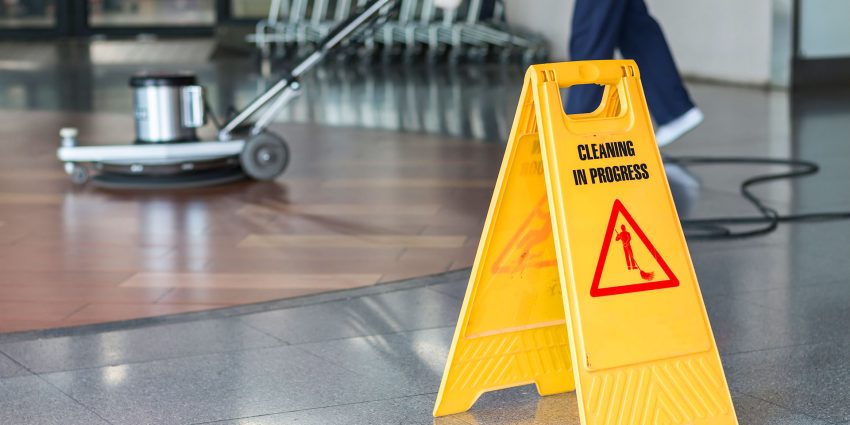
Walk into any space where the floors gleam like glass, and you instinctively trust the place. It is a quiet, almost subconscious reaction. Clean floors signal competence, hygiene, and pride. Yet behind every spotless surface is a strategy, and that is where smart floor care quietly does its magic.
Whether you manage a sprawling warehouse, a boutique hotel lobby, the science of caring for your floors goes far beyond a quick mop.
What is the best way to care for floors?
The best floor care combines daily dust control, routine damp mopping with a pH-balanced cleaner, prompt spill response, and periodic deep restoration such as buffing, polishing, or refinishing. Always match the cleaning method to the flooring material to prevent damage and extend longevity.
Why Floor Care Deserves More Attention Than You Think
Floors take more abuse than any other surface in a building. Foot traffic, rolling carts, spilled coffee, tracked-in grit, and shifting humidity all chip away at their finish. Neglect them for even a few weeks, and you start to see dullness, scratches, and stains that are far more expensive to fix than to prevent.
Good floor care is not just cosmetic. It protects your investment, reduces slip hazards, improves indoor air quality, and extends the life of materials that can cost a small fortune to replace.
Know Your Floor Before You Clean It
The biggest mistake people make? Treating every floor the same. A microfiber mop and a splash of vinegar may work wonders on tile, but unleash that combination on hardwood and you will regret it by morning.
Common Floor Types and Their Quirks
- Hardwood: Hates moisture. Sweep daily, use a wood-specific cleaner, and never let water pool.
- Tile and Grout: Forgiving with water, but grout absorbs everything. Seal it and scrub it.
- Vinyl and LVT: Durable and water-resistant, but harsh chemicals strip the wear layer.
- Natural Stone: Sensitive to acids. Stick to pH-neutral cleaners and consider periodic sealing.
- Carpet: Vacuum often, treat spills within minutes, and schedule a deep clean twice a year.
- Concrete: Tougher than it looks, but porous. Sealing is the key to keeping it stain-free.
The Daily, Weekly, and Monthly Rhythm
Consistency beats intensity every time. A short daily routine prevents the kind of buildup that demands hours of scrubbing later.
Daily
- Sweep or dust mop traffic zones
- Wipe spills the moment they happen
- Use entry mats to trap grit
Weekly
- Damp mop with the right cleaner
- Vacuum carpets thoroughly
- Spot-treat any stains
Monthly to Quarterly
- Buff, polish, or burnish hard floors
- Deep clean carpets and grout
- Inspect sealants and finishes
The Tools That Actually Earn Their Keep
You do not need a closet full of gadgets. A handful of reliable tools, used properly, will outperform a dozen trendy gizmos.
- Microfiber flat mop: Picks up dust and moisture without leaving streaks.
- HEPA-filter vacuum: Keeps allergens and fine debris out of the air.
- Soft-bristle push broom: Ideal for textured surfaces like stone or concrete.
- pH-neutral cleaner: Safe on almost every floor type when diluted correctly.
- Buffer or burnisher: Restores shine to hard floors between deep cleans.
The Hidden Heroes: Sealing, Polishing, and Restoration
Routine cleaning keeps floors presentable, but periodic restoration is what keeps them stunning for decades. Sealing fills the microscopic pores that trap dirt, while polishing or refinishing brings depth and luster back to surfaces that have lost their glow.
For high-value materials, this is where expertise really pays off. Specialized treatments for stone, wood, and metal care can dramatically extend the lifespan of premium surfaces, often saving thousands in replacement costs over the years.
Mistakes That Quietly Ruin Floors
Some habits look harmless but cause slow, cumulative damage. Watch out for these:
- Using too much water on wood or laminate floors.
- Mixing harsh chemicals that strip protective finishes.
- Skipping entrance mats, allowing grit to act like sandpaper underfoot.
- Letting spills sit, especially acidic ones like wine, coffee, or citrus.
- Dragging furniture instead of lifting it or using felt pads.
When to Call in the Professionals
There is a point where DIY simply will not cut it. Deep stains in natural stone, dull patches on aged hardwood, or carpet that has lost its bounce all benefit from professional equipment and chemistry. A trained team can also diagnose underlying issues, like moisture intrusion or failing sealants, that the average person would miss entirely.
Frequently Asked Questions
How often should I deep clean my floors?
For most homes, a deep clean every three to six months is enough. Commercial spaces with heavy traffic often need monthly or even weekly attention depending on use.
Is vinegar safe for all floors?
No. Vinegar is acidic and can etch natural stone, dull hardwood finishes, and degrade certain sealants. Use a pH-neutral cleaner instead unless your floor manufacturer specifically approves vinegar.
What is the difference between buffing and polishing?
Buffing smooths and revives the existing finish using a low-speed machine. Polishing applies a fresh protective coating that adds shine and shields against wear.
Can I use a steam mop on hardwood floors?
Generally no. The heat and moisture can warp planks, damage finishes, and void warranties. Stick to a lightly damp microfiber mop and wood-safe cleaner.
How do I prevent slips on freshly cleaned floors?
Use clear signage during cleaning, dry the surface thoroughly, and choose cleaners formulated to leave a non-slip finish. Walk-off mats at entrances also help reduce moisture transfer.
The Bottom Line
Great floor care is not a chore, it is a strategy. Know your materials, follow a consistent rhythm, invest in the right tools, and bring in professionals for the heavy lifting. Do that, and your floors will reward you with years of beauty, safety, and quiet pride every time someone walks through the door.
The next time you glance down at a gleaming surface, remember: that shine is no accident. It is the result of smart choices, made one sweep at a time.