
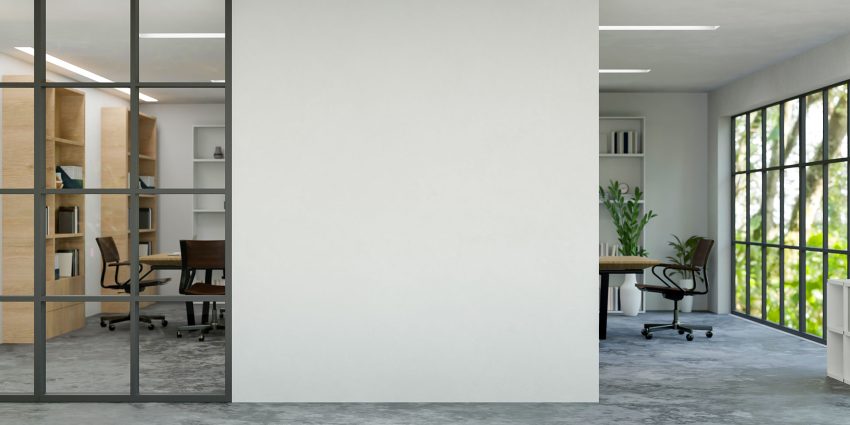
When you walk past a gleaming office tower or step into a pristine retail space, the crystal-clear windows make an immediate impression. Professional commercial building window cleaning isn’t just about aesthetics, it’s a critical investment that protects your property value, enhances your brand image, and creates healthier environments for everyone who enters your building. Whether you manage a single storefront or oversee multiple high-rise properties, understanding the complexities and best practices of commercial window cleaning will help you make informed decisions that benefit your bottom line.
Understanding Commercial Building Window Cleaning Services
Commercial building window cleaning encompasses far more than simply wiping glass surfaces. This specialized service requires trained professionals who understand the unique challenges of various building types, from ground-level storefronts to towering skyscrapers. Professional window cleaning companies employ certified technicians who use advanced equipment, follow strict safety protocols, and apply industry-specific techniques to deliver spotless results.
The scope of commercial window cleaning typically includes exterior and interior glass surfaces, window frames, sills, and screens. Many providers also offer additional services such as pressure washing building facades, cleaning skylights and atriums, and maintaining glass canopies or entranceways. The frequency and intensity of cleaning depend on factors like building location, surrounding environment, and local weather patterns.
Unlike residential window cleaning, commercial projects often involve complex logistics, including coordinating with property managers, working around business hours, and ensuring minimal disruption to daily operations. Professional teams must also navigate various architectural features, from curtain walls and spandrel glass to historic windows requiring specialized care.
Essential Equipment and Techniques for High-Rise Buildings
High-rise commercial building window cleaning demands specialized equipment and rigorous safety measures. Professional companies utilize various access methods depending on building height, design, and local regulations. These methods have evolved significantly over the years to maximize both efficiency and safety.
Primary Access Methods
- Building Maintenance Units (BMUs): Permanent roof-mounted systems with telescopic arms and suspended platforms
- Bosun’s Chairs: Individual descent systems for buildings with anchor points
- Swing Stages: Temporary suspended scaffolding for extensive cleaning projects
- Aerial Work Platforms: Mobile lifts for mid-rise buildings up to 150 feet
- Water-Fed Pole Systems: Ground-based cleaning for buildings up to 6 stories
Modern cleaning techniques combine traditional squeegee methods with innovative technologies. Pure water systems, which use deionized water that dries spot-free, have revolutionized the industry. These systems are particularly effective for buildings with architectural features that make traditional access challenging.
Safety Standards and Compliance Requirements
Safety remains the paramount concern in commercial building window cleaning operations. The industry operates under strict regulatory frameworks that protect workers and the public. Understanding these requirements helps property managers select qualified contractors and avoid liability issues.
The Occupational Safety and Health Administration (OSHA) mandates comprehensive safety protocols for window cleaning operations. These include requirements for fall protection equipment, regular safety training, and detailed hazard assessments before each project. Contractors must maintain current certifications and insurance coverage, including general liability and workers’ compensation.
Key Safety Certifications to Verify:
- OSHA 30-Hour Construction Safety Certification
- IWCA (International Window Cleaning Association) Safety Certification
- SPRAT (Society of Professional Rope Access Technicians) Certification for rope access work
- Equipment-specific training certifications
Cost Factors and Pricing Structures
Understanding the cost components of commercial building window cleaning helps property managers budget effectively and evaluate proposals fairly. Pricing varies significantly based on multiple factors, and the lowest bid rarely represents the best value when considering quality, reliability, and risk management.
Primary Cost Determinants
Building height and accessibility significantly impact pricing, with high-rise buildings requiring specialized equipment and additional safety measures. The total square footage of glass surfaces, window type, and condition all influence the time and resources needed for proper cleaning. Environmental factors, such as proximity to highways or industrial areas, may necessitate more frequent cleaning or specialized techniques.
Frequency of service affects per-visit pricing, with regular contracts typically offering better rates than one-time cleanings. Many companies offer tiered pricing structures based on cleaning frequency, such as weekly, bi-weekly, monthly, or quarterly services. Additional services like frame cleaning, screen maintenance, or pressure washing may be bundled for cost savings.
Benefits of Regular Professional Window Cleaning
Maintaining a consistent commercial building window cleaning schedule delivers tangible returns on investment that extend far beyond mere appearance. Clean windows contribute directly to tenant satisfaction, employee productivity, and energy efficiency. Natural light penetration improves by up to 30% with clean windows, reducing artificial lighting needs and lowering energy costs.
Regular professional cleaning extends window lifespan by preventing etching from hard water deposits, oxidation from acid rain, and damage from accumulated debris. This preventive maintenance approach costs significantly less than premature window replacement. For property managers focused on long-term asset management, strategic window care represents a fundamental component of building preservation that directly impacts property values and operational efficiency.
Professional cleaning also identifies potential issues early, such as failing seals, cracks, or frame deterioration. Early detection allows for timely repairs that prevent water infiltration and structural damage. This proactive approach protects both the building envelope and interior spaces from costly water damage.
Selecting the Right Commercial Window Cleaning Contractor
Choosing a commercial building window cleaning partner requires careful evaluation beyond comparing price quotes. The right contractor becomes an extension of your property management team, contributing to your building’s overall success and reputation.
Essential Evaluation Criteria
- Experience and Specialization: Look for companies with extensive experience in your building type and proven expertise with similar properties
- Insurance and Bonding: Verify adequate coverage limits and confirm certificates are current
- References and Reviews: Request references from similar properties and check online reviews across multiple platforms
- Environmental Practices: Evaluate their commitment to eco-friendly cleaning solutions and water conservation
- Communication Systems: Assess their scheduling flexibility, response times, and quality control processes
Request detailed proposals that outline specific services, frequencies, and pricing structures. Professional contractors should provide clear contracts with performance standards, dispute resolution procedures, and termination clauses. Be wary of vague agreements or companies unwilling to put commitments in writing.
Environmental Considerations and Green Cleaning Practices
Sustainable commercial building window cleaning practices have become increasingly important as properties pursue green certifications and environmental stewardship. Modern cleaning companies employ various eco-friendly approaches that maintain high cleaning standards while minimizing environmental impact.
Water conservation techniques, including water reclamation systems and efficient application methods, can reduce water usage by up to 60%. Biodegradable cleaning solutions eliminate harmful runoff while maintaining cleaning effectiveness. Many contractors now use electric or hybrid lift equipment to reduce emissions and noise pollution.
Green cleaning practices often align with LEED certification requirements and corporate sustainability goals. Property managers should inquire about contractors’ environmental policies and request documentation of eco-friendly products and procedures.
Scheduling and Seasonal Considerations
Developing an optimal cleaning schedule for commercial building window cleaning requires balancing appearance standards, budget constraints, and seasonal factors. Strategic scheduling maximizes cleaning effectiveness while minimizing costs and disruptions.
Spring and fall typically require more intensive cleaning due to pollen, storms, and temperature fluctuations that increase soiling. Winter presents unique challenges in cold climates, with salt spray, ice, and freezing temperatures affecting both cleaning methods and scheduling. Summer’s intense sun can cause cleaning solutions to dry too quickly, requiring adjusted techniques and timing.
High-Traffic Areas
Entrances and ground-level windows may need weekly or bi-weekly cleaning to maintain a professional appearance.
Upper Floors
Less accessible areas typically require monthly or quarterly cleaning depending on environmental conditions.
Technology and Innovation in Window Cleaning
The commercial building window cleaning industry continues to evolve with technological advances that improve safety, efficiency, and results. Robotic window cleaners, while still emerging, show promise for routine maintenance of accessible surfaces. Drone technology assists with building inspections and cleaning assessments, providing detailed documentation without requiring physical access.
Digital scheduling and communication platforms streamline service coordination and provide real-time updates to property managers. Quality control apps allow instant photo documentation and issue reporting, ensuring consistent service delivery across multiple properties or locations.
Advanced cleaning chemicals now include self-cleaning coatings that repel dirt and water, extending the time between required cleanings. These nanotechnology-based treatments can reduce cleaning frequency by 50% while maintaining appearance standards.
Professional commercial building window cleaning represents a critical component of property maintenance that delivers aesthetic, financial, and operational benefits. By understanding the complexities of the service, from safety requirements and cost factors to environmental considerations and technological innovations, property managers can make informed decisions that protect their investments and enhance their buildings’ value.
Selecting the right cleaning partner and establishing an appropriate maintenance schedule ensures your property maintains its professional appearance while maximizing the lifespan of your window systems. As buildings become more sophisticated and sustainability expectations increase, partnering with a forward-thinking window cleaning contractor becomes not just a maintenance decision, but a strategic business investment.